
IT Consulting New Orleans: A Practical Guide for Small and Mid-Sized Businesses
Technology decisions are rarely simple. Which tools should you buy, how secure is your data, and are you spending money in the right places? That


Technology decisions are rarely simple. Which tools should you buy, how secure is your data, and are you spending money in the right places? That

When most people picture a cyberattack, they imagine a large corporation or a government agency. In reality, cybersecurity basics matter just as much for the

Most people don’t start a business to think about servers, software updates, and cybersecurity. Yet technology touches nearly everything you do, from email and invoicing

Most small business cyberattacks come through the same five gaps. Here is how attackers get in and the practical steps that close each one.

Not sure your business needs an MSP? Learn the benefits of an MSP, how managed IT compares to in-house IT, and how to tell if it is the right fit.
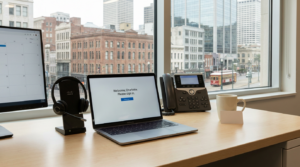
You spent weeks finding the right person. They accepted the offer, gave notice, and showed up ready to work. Then they spent their first morning

Cybersecurity business risk hits revenue, uptime, reputation and compliance. Here is where it shows up and what to ask your IT partner.”

Phishing emails have become one of the most common and effective ways for cybercriminals to gain access to sensitive information, steal money or intellectual property, and even damage your business’s reputation. As a business owner, it is important to understand the dangers of phishing and how to identify these types of emails.

A hybrid workforce is an ideal way to deal with the pandemic and become the new
workplace of the future and help with your budget.

Searching for IT companies in New Orleans can feel like comparing a dozen versions of the same promise. Every website says responsive, reliable, and affordable.